

RPM POWER ENGINE MANAGEMENT
Billet Valve Cover for Mini Cooper N14 Engines
Billet Valve Cover for Mini Cooper N14 Engines
Couldn't load pickup availability
DESCRIPTION
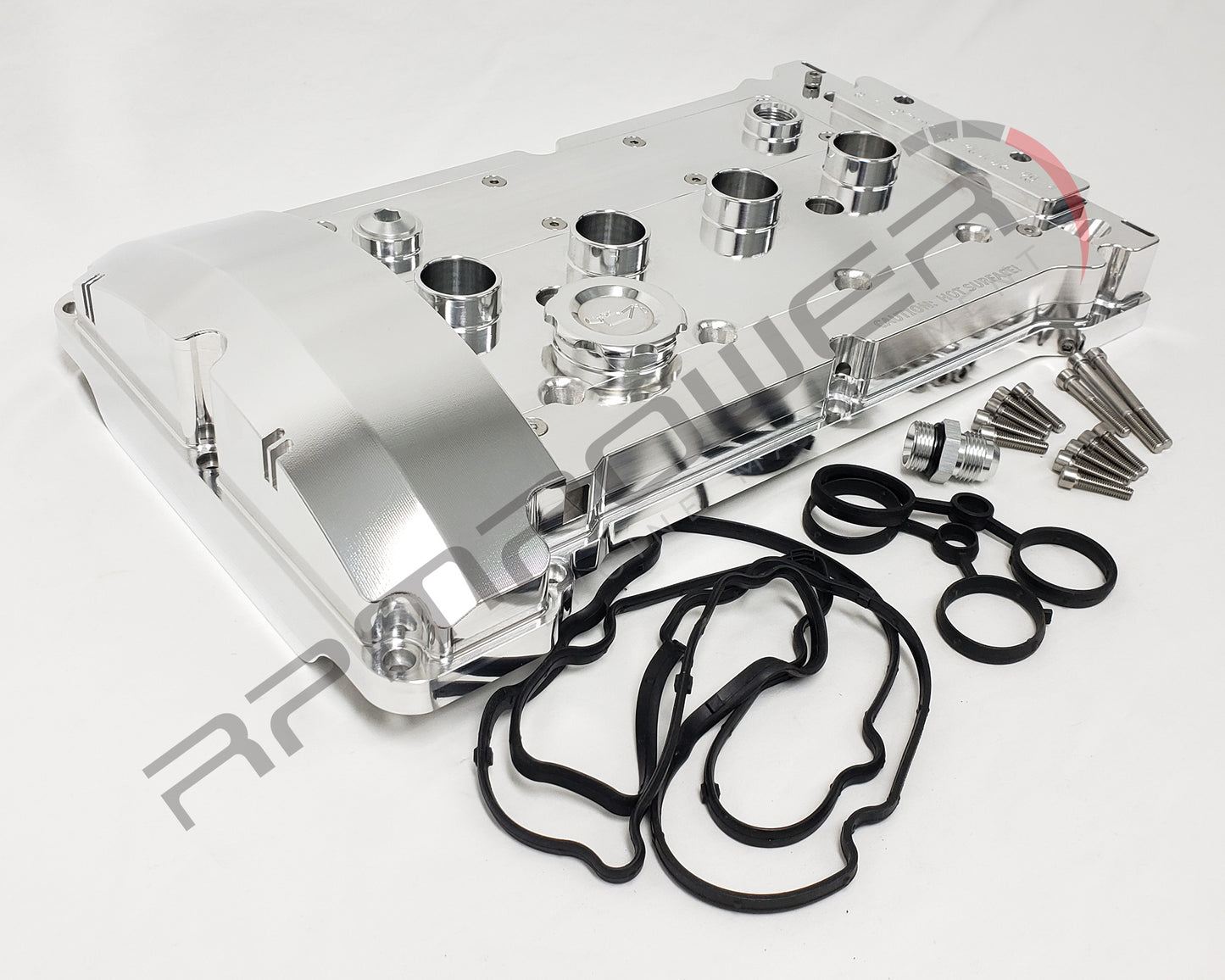
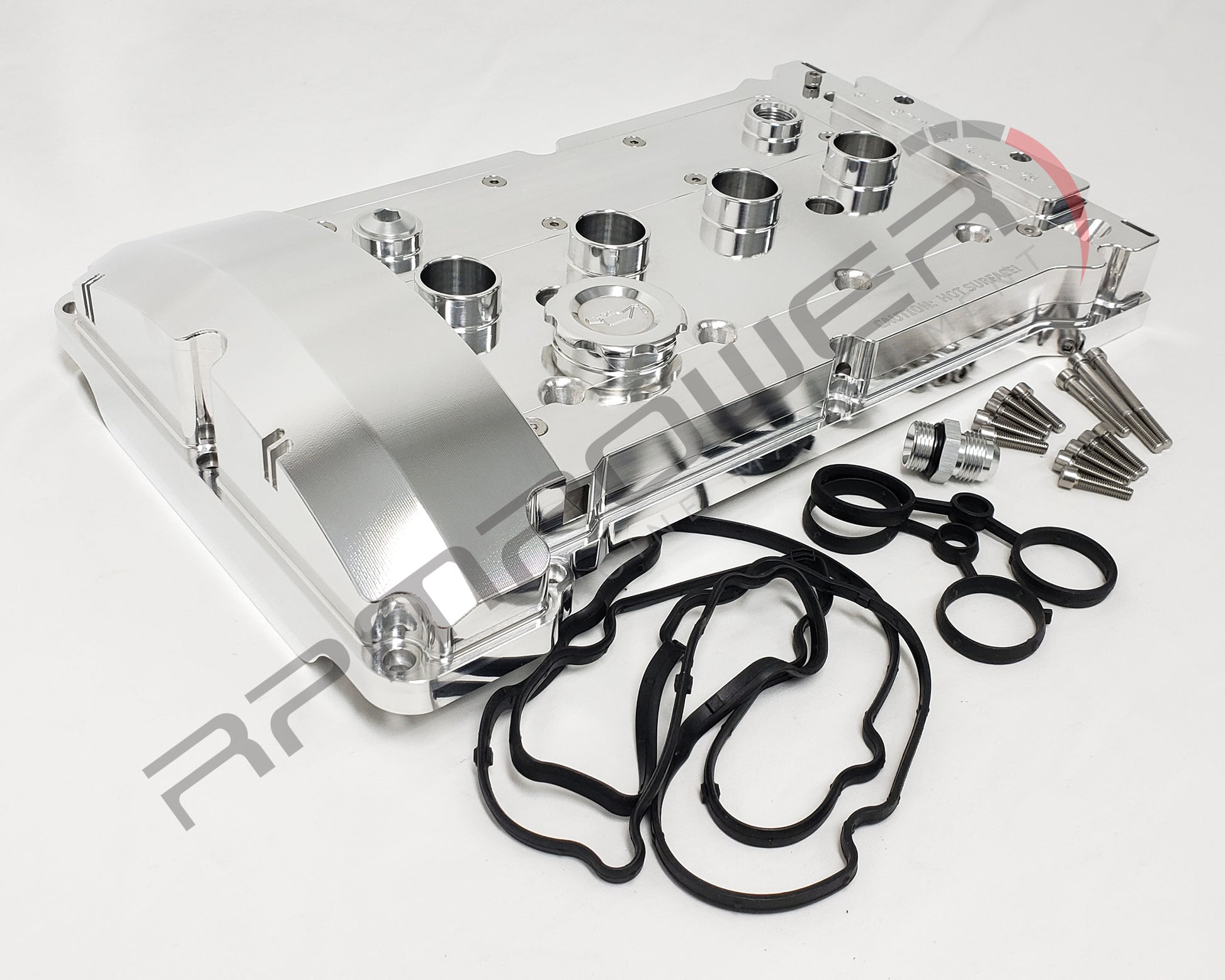
Plug and Play Billet Valve Cover for Mini Cooper N14 Engines
Made to Order!
Designed to fit all N14 Cooper S/JCW motors from 2007-2012, this valve cover is fully machined from billet aluminum T6 6061, including all PCV components.
Please note: The retail price of this product reflects current manufacturing costs and T6 6061 material pricing, which is subject to change based on material costs during production.
This valve cover can be used with or without the PCV system to suit any application.
Product List Included with Your Order:
- CNC machined valve cover
- Genuine OEM valve cover gasket
- Installation hardware (in stainless steel)
- PCV installation hardware to accommodate OEM intake manifold or aftermarket options
- Breather ports with AN fittings to accommodate any pre turbo intake
Additional Features:
- Oil Cap: Features a Viton O-ring for a leak-free experience and a long service interval. The aluminum wiring cover includes guide pins for precise fitment.
- PCV System: Enhanced design supporting full functionality to match OEM requirements while handling any pressure bleed from the intake manifold during high boost. A self draining dual pass baffle is implemented to reduce air speed, trapping oil within the valve cover and preventing it from escaping through the breather ports.
This product is entirely designed from scratch, featuring a seamless design for lifetime quality!
Anodizing Options:
For an extra charge, we can anodize this item in any color available from our local source. Please note that lead times may increase up to 10 business days after the order is placed. The cost for anodizing is an additional $240; please email us to inquire.
Product Development Insights:
During development, we tested this product without a PCV system. The initial design included two breather ports venting crankcase pressure to a vented catch can system. Testing was performed on a daily-driven vehicle with a healthy motor and on a vehicle used exclusively for racing. Over time, the daily-driven vehicle developed a light smell from the exhaust, similar to burning oil, which became unsustainable as mileage increased. Puffs of smoke from the exhaust during takeoff were also observed. Conversely, the racing vehicle’s vented crankcase system to the catch can performed well.
In conclusion: If you use your vehicle daily, the PCV system must be utilized as designed in OEM vehicles to support healthy engine operation under various conditions. Eliminating the PCV system could lead to premature engine seal damage and persistent oil leaks. Crankcase pressure at low engine speeds and idle requires vacuum assistance in a controlled manner to escape the crankcase.
If you are concerned about oil fumes reaching the intake manifold and carbon deposits forming around the intake valves, this product offers a convenient plumbing solution for any catch can featuring AN fittings. We recommend plumbing the catch can to the intake manifold side before connecting it to the breather side. Feedback from our shop vehicle over the years indicates significantly more deposits on the intake manifold side (approximately 80%) compared to the breather side leading to the turbo inlet (approximately 20%).
Important Note: If you utilize a catch can system, monitor it weekly, especially in cold weather, as you may encounter oil-water mixtures in the catch can. If you live in a cold climate and drive your vehicle during the winter, we advise using catch cans with heating elements to dry out moisture deposits and prevent plumbing from freezing. Avoid using regular catch cans in such conditions to prevent line or catch can freezing.
Consider long-term investments in W/M (water/methanol) injection or port fueling to reduce carbon buildup on intake valves, regardless of whether you have a catch can installed. Some oil deposits within the charge system are acceptable; however, excessive buildup may indicate issues such as worn piston rings.
This will be the last valve cover you will ever need to purchase—lifetime quality!
Manufactured in Canada, with imported materials.